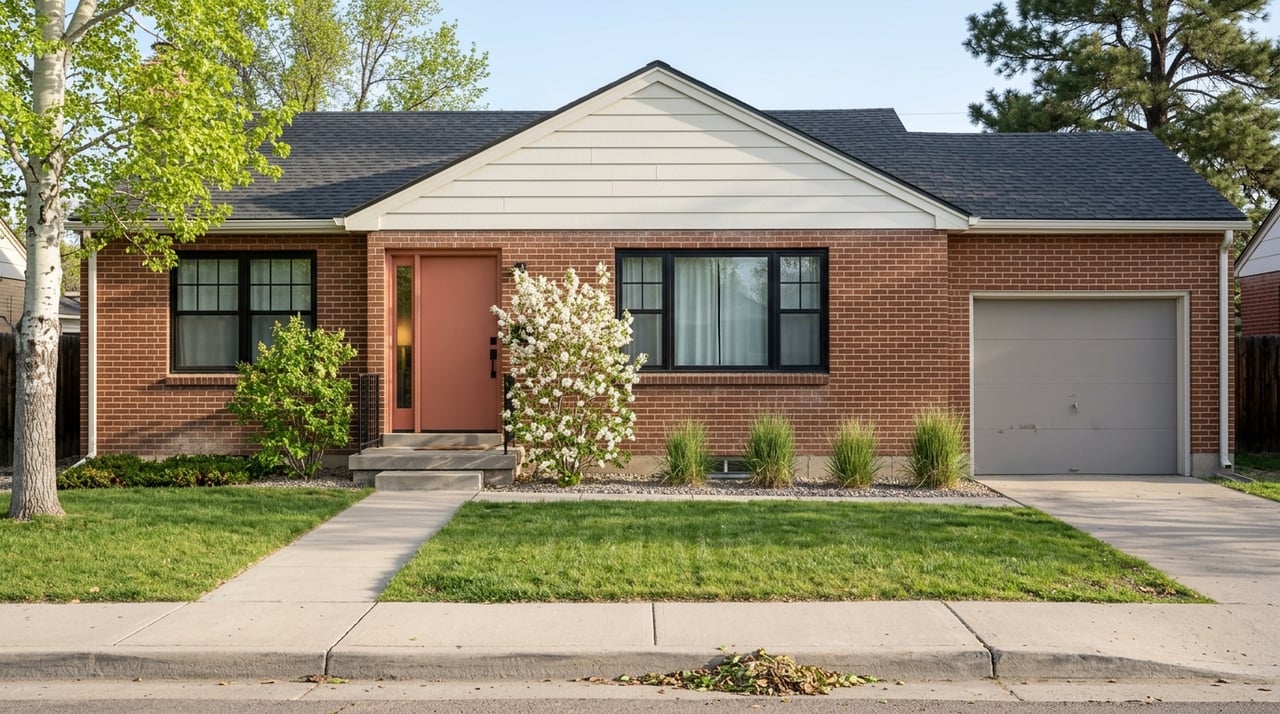
Englewood vs South Denver Real Estate: Key Buying Differences
May 14, 2026
May 14, 2026
If you are torn between Englewood and South Denver, you are not alone. Both areas can put you close to the lifestyle, access, and housing options many buyers want, but the numbers and tradeoffs are not the same. When you compare price, housing stock, taxes, schools, and future development side by side, the right fit often becomes much clearer. Let’s dive in.
For many buyers, the first big difference is how far your budget goes. Recent market snapshots show Englewood at a median sale price of $577,500 and about $336 per square foot, while South Denver as a broad benchmark sits around $800,000 and $435 per square foot.
That gap matters in real life. In simple terms, Englewood often gives you more square footage per dollar, while many South Denver neighborhoods come with a premium for location, market positioning, and established demand.
It is also important to know that “South Denver” is not one single market. It is better understood as a collection of neighborhoods with different price points.
Some of the neighborhoods buyers often compare with Englewood sit well above Englewood citywide pricing. Washington Park, for example, has recently posted a median sale price of $1,475,000 and $652 per square foot, while Cory-Merrill came in at $1,225,000 and $481 per square foot.
Even Wellshire, which is lower than Washington Park, still sits above Englewood citywide at a median sale price of $1,165,000 and $402 per square foot. So if you are comparing Englewood with South Denver, it helps to think in terms of a price range instead of one number.
Englewood is not perfectly uniform either. The Medical District, for instance, has been running at about $352 per square foot, which is a bit above the citywide Englewood average.
That means your experience can still vary depending on where you look. A citywide average is useful, but your actual shortlist should be based on the specific area and property type you are considering.
Both markets are competitive, but they do not always move at the same speed. Englewood has recently posted a median of 17 days on market, while the broad South Denver benchmark came in at 37 days.
That said, some South Denver neighborhoods move very quickly. Wellshire has recently shown just 6 median days on market, while Cory-Merrill was at 14 and Washington Park at 15.
If you are shopping in Englewood, you may find a lower per-foot entry point, but you should still be ready for competition. If you are shopping in South Denver, your pace may depend heavily on the exact neighborhood, with some pockets moving just as fast or faster than Englewood.
This is one reason local context matters. Looking only at a broad area can hide how quickly demand changes from one neighborhood to the next.
Beyond price, the feel of the housing stock can shape your decision. Englewood has a notably older single-family housing base, and the city has said that as of 2016, 43% of its single-family homes dated from before 1940.
That often appeals to buyers who want older homes with character and established streetscapes. It can also mean you need to plan more carefully for maintenance, updates, and renovation costs.
Englewood’s Lead Reduction Program notes that homes built before 1960 may still have historic lead service lines. That does not mean every older home will have the same issues, but it does mean buyers should pay close attention to plumbing, utility details, and improvement history when evaluating a property.
In practice, Englewood can be a strong fit if you like homes with personality and are comfortable looking closely at condition and long-term upkeep. It is often a market where due diligence pays off.
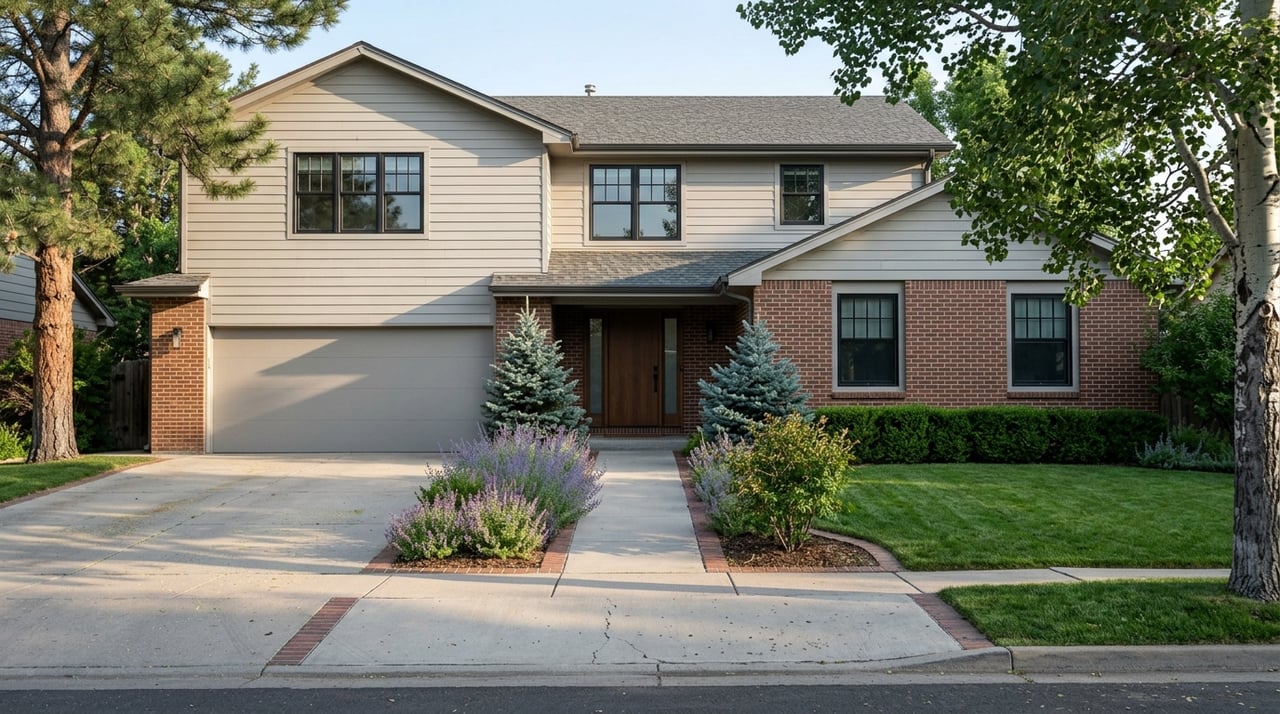
South Denver also has a mature housing base, but the price environment is generally higher. In places like Platt Park and Washington Park, the historic fabric is part of the area’s established appeal, and the market tends to support substantial remodels, replacement homes, and premium infill.
That does not apply to every block, but it is a useful pattern to keep in mind. If you are drawn to highly renovated homes or newer builds woven into established neighborhoods, South Denver may offer more of those opportunities at a higher price point.
One of the most important details buyers miss is property tax structure. In Colorado, your tax bill depends on assessed value and the combined mill levy, so the exact amount is tied to the parcel, not just the city name.
For Denver, the assessor says the 2024 combined general mill levy was 79.202 mills. In Arapahoe County examples for Englewood parcels, total tax rates of 0.078766 and 0.091059 were shown, which shows how tax bills can vary even within Englewood.
This is where a city-versus-city comparison can fall short. Two homes with an Englewood address may fall into different tax structures, and a South Denver home in Denver County will be taxed through a different set of authorities than an Englewood property in Arapahoe County.
If taxes matter to your monthly budget, compare the exact property you are considering. It is one of the clearest examples of why a broad market label does not tell the whole story.
If school options are part of your move, Englewood and South Denver offer different systems to navigate. Englewood Schools is a smaller district with eight schools, and the district says every student attends a facility that is less than ten years old.
The district also offers choice enrollment for both in-district and out-of-district students, with programs that include IB at Charles Hay, STEAM, AP, and CTE options. For some buyers, that creates a more contained and easier-to-understand district choice process.
With a smaller district, some buyers appreciate having a more defined set of options. If you value a compact district structure and want to understand the system quickly, Englewood may feel more straightforward.
That does not make it better or worse than South Denver. It simply means the process and menu of choices can feel different.
In South Denver, buyers usually work through Denver Public Schools’ SchoolChoice process. DPS says applicants can rank up to 12 schools as part of its open-enrollment system for students who want or need to attend a new school.
For some households, that larger system can mean more options. For others, it can mean a more layered process to evaluate when comparing neighborhoods and addresses.
If you are trying to buy with an eye on the future, Englewood and South Denver are telling different growth stories right now. Englewood’s clearest near-term catalyst is CityCenter.
In October 2025, the city said the next phase of CityCenter would move the area toward a walkable destination with new housing, restaurants, shops, and public spaces. The project is expected to bring roughly 600 to 700 apartments and at least 1,000 new residents.
For a city of Englewood’s size, that is a meaningful redevelopment story. The city’s Downtown Plan, Transit Station Area Specific Plan, Light Rail Corridor Plan, and Walk and Wheel Master Plan all point toward transit-supportive, pedestrian-oriented growth.
If you want to buy in a place with a clear redevelopment node and visible planning direction, Englewood may stand out. That does not mean every part of the city will change at once, but it does give you a more defined future growth narrative in certain areas.
South Denver’s evolution appears more corridor-based and parcel-by-parcel. Denver’s long-term neighborhood planning efforts, work along Broadway, and Washington Park improvements point to ongoing upgrades rather than one major redevelopment district.
For buyers, that can be appealing if you prefer a more established pattern of change. Instead of one major catalyst, you may see gradual improvements tied to infrastructure, streetscapes, parks, and infill over time.
If your top priority is maximizing space for your budget, Englewood often deserves a close look. It can also appeal if you like older homes, want a smaller district structure to explore, or are interested in areas with a more visible redevelopment story.
If you are drawn to premium established Denver neighborhoods and are comfortable with a higher entry cost, South Denver may be the better fit. You may find stronger alignment there if your search centers on neighborhoods like Washington Park, Cory-Merrill, or Wellshire and you want to be in that specific market profile.
The biggest takeaway is simple: this is not just an Englewood-versus-South Denver question. It is a block-by-block, district-by-district, and parcel-by-parcel decision.
Price per square foot, taxes, school process, housing condition, and future development can all shift once you narrow down to actual addresses. A clear strategy and local guidance can help you compare those tradeoffs without getting overwhelmed.
If you are weighing Englewood against South Denver and want a sharper, property-specific view of where your budget and priorities align, Maritt Bird can help you compare the details with confidence.
Stay up to date on the latest real estate trends.
Whether you’re navigating the market for the first time or looking to sell with confidence, I’ll bring in-depth local knowledge, proven negotiation skills, and a commitment to making your experience smooth and successful. Contact me today to get started!