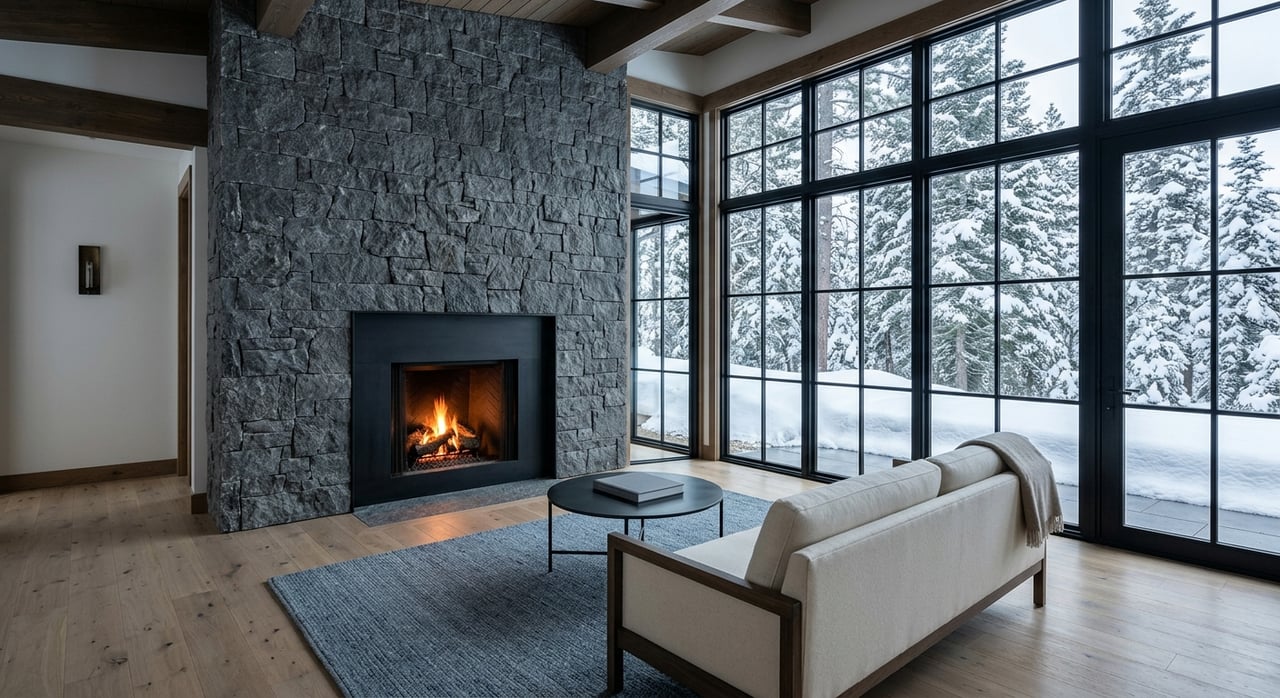
From Offer to Closing When Buying a Home in Fraser
April 23, 2026
April 23, 2026
Buying a mountain home in Fraser can feel exciting right up until the contract is signed and the real work begins. Between inspections, title review, HOA documents, snow access, and closing deadlines, there are more moving parts than many buyers expect. The good news is that when you understand the process, you can move from offer to closing with far more confidence. Let’s dive in.
In Colorado, residential purchases use the Commission-approved Contract to Buy and Sell Real Estate. That matters because the contract is built around specific deadlines for earnest money, title, HOA documents, seller disclosures, loan, appraisal, inspections, closing, and possession.
Those dates are negotiated, not automatic. The form also states that deadlines generally end at 11:59 p.m. Mountain Time unless a specific time is written in, and weekends or holidays are not automatically extended unless that option is selected in the contract. In a mountain market like Fraser, keeping those dates organized is a big part of keeping the deal together.
Fraser ownership comes with practical mountain considerations. The town notes that 50-degree temperature swings are common, winterization is important, and homeowners are responsible for maintaining water and sewer service lines, even though the town provides core utility services and snow management in public areas.
That means your contract period is not just about price and paperwork. It is also your window to confirm how the property functions in real winter conditions, how access is handled, and whether any mountain-specific upkeep issues need your attention before closing.
An offer on a Fraser home should do more than state a price. It should set a realistic timeline for earnest money, inspection, title review, loan and appraisal milestones, HOA review if applicable, and closing.
According to the Colorado contract, earnest money is typically delivered with the contract unless the parties agree to another deadline. The contract also makes clear that funds due at closing must be paid before or at closing, or the nonpaying party may be in default. Small details matter here, especially if you are coordinating travel, financing, or a second-home purchase from another market.
Recent snapshots suggest Grand County has been more balanced than an extreme bidding-war market. Realtor.com’s Grand County overview described the county as a buyer’s market in February 2026, with homes selling about 2.03% below asking on average, and Fraser showing a median 58 days on market in that snapshot.
That does not mean every Fraser property will be negotiable in the same way. It does mean you should look at each home carefully, weigh condition and location, and build terms that protect you while still making your offer competitive.
Once you are under contract, the transaction becomes a checklist with real deadlines attached. This is where mountain-home buying often feels different from a more typical suburban purchase.
The Colorado form gives buyers the right to inspect not only the home itself, but also leased items, inclusions, utilities, roads, transportation projects, odors, noise, and other conditions. If you submit an inspection objection and the parties do not resolve it by the inspection resolution deadline, the contract can terminate unless you withdraw the objection.
A Fraser inspection period should help you understand both the house and how the property performs through the seasons. Depending on the home, questions often include:
The town’s community guide specifically highlights winterization steps such as insulating exposed water lines, marking shutoffs, protecting hose bibs, and keeping the dwelling from freezing. Those are useful talking points to raise before your inspection objection deadline expires.
Title review is never just a formality, and it can be especially important with mountain properties. The Colorado contract’s title advisory warns that boundary lines, encroachments, setbacks, unrecorded easements, water on or under the property, and government land-use rules can affect ownership and use.
If the lot, driveway, retaining walls, or other improvements sit on irregular terrain, reviewing a survey or improvement location certificate can be very helpful. The contract allows buyers to review these items and object if they are unsatisfactory.
In Fraser, snow access is part of the ownership experience. The town explains that private streets are typically maintained by an HOA or developer, not by the town, and plowing can leave snow at driveway entrances. Grand County also notes that private driveways are not county-cleared.
That makes legal access and practical access equally important. During due diligence, you want clarity on who maintains the road, how snow removal is handled, and whether the property layout creates any winter use challenges.
If the home is in a common-interest community, the seller must provide association documents by the contract deadline. Under the Colorado form, buyers can terminate if those documents are unsatisfactory.
The association package can include declarations, bylaws, rules, financial documents, meeting minutes, and reserve information. For a Fraser mountain home, this review can be especially important because it may affect maintenance obligations, assessments, snow removal responsibilities, and any rules that shape how you use the property.
Focus on practical ownership questions such as:
This is one of the easiest places to avoid surprises later. If a property looks perfect in photos but the documents reveal major upcoming costs or strict operational rules, you want to know that before your review deadline passes.
Not every Fraser-area property will connect the same way to utilities, so well and septic review should never be an afterthought. Grand County notes that lender-required well inspections may include coliform and nitrate testing along with a visual inspection of the wellhead and surrounding area.
The Colorado Department of Public Health and Environment guidance referenced by Grand County also explains that private wells are not regulated under the Safe Drinking Water Act. For buyers, that is a strong reason to treat water testing as core due diligence.
Grand County’s OWTS septic regulations state that the county has not adopted transfer-of-title inspection regulations or a permit-for-continued-use program. In simple terms, you should not assume a required county transfer inspection will catch issues for you.
Instead, use your contract period to verify permits, service history, and any known repairs. If the property has an on-site wastewater treatment system, this step is worth handling early so you still have time to respond before deadlines expire.
Even when you are focused on inspections and property condition, the appraisal and loan process still need attention. Under the Colorado contract, appraisal has its own deadline, and if the value comes in low, the buyer can object using the appraisal or lender verification.
If that objection is not resolved, the contract can terminate. This is another reason a well-structured timeline matters. You want enough space in the contract for the lender, appraiser, and all property-related reviews to move together instead of colliding at the last minute.
Colorado requires the seller to provide the current seller’s property disclosure by the deadline in the contract. The seller must also disclose later-discovered adverse material facts in a timely way.
If a new adverse fact is disclosed after the contract is signed, the buyer may terminate on or before closing or within five days of receipt, whichever comes first. That makes disclosure review more than a box to check. It is an important part of understanding the home you are buying.
As closing approaches, you will confirm final funds, documents, and possession timing. The Colorado contract treats closing date and possession date as separate negotiated deadlines, so make sure you know whether you receive keys at closing or later.
For county recording, the Grand County Recording Office accepts documents Monday through Friday from 8:30 a.m. to 5 p.m. The office also notes a recording fee of $43 per document as of July 1, 2025, and that property transfers are subject to the state documentary fee.
Closing is not the end of your Fraser ownership checklist. After recording, you may still need to:
The town’s community information makes clear that property owners are responsible for maintaining those service lines. That is a good reminder that successful mountain ownership starts with understanding the systems that support the home.
From offer to closing, buying a Fraser mountain home is really a coordination project. Contract deadlines, title review, inspections, HOA paperwork, financing, well or septic questions, and winter access all need to move in sync.
That is where local guidance can make a real difference. If you are planning a purchase in Fraser or anywhere in Grand County, Maritt Bird can help you navigate the timeline, understand the details, and move forward with clarity.
Stay up to date on the latest real estate trends.
Whether you’re navigating the market for the first time or looking to sell with confidence, I’ll bring in-depth local knowledge, proven negotiation skills, and a commitment to making your experience smooth and successful. Contact me today to get started!