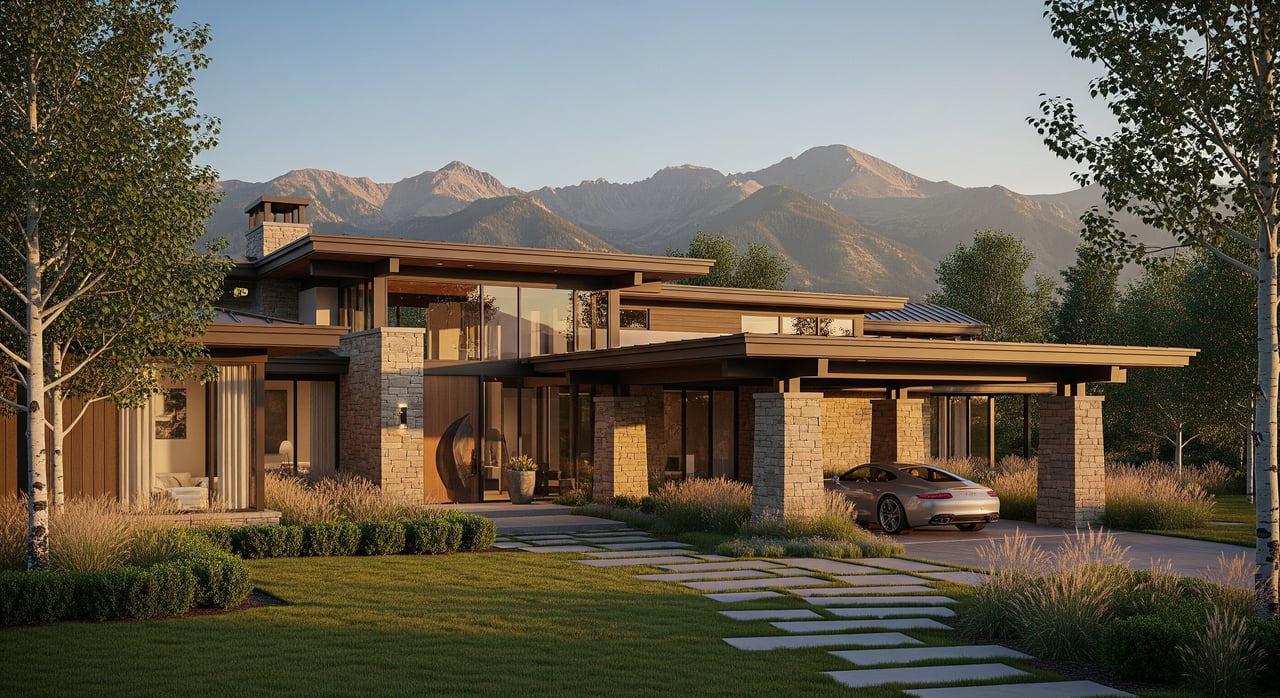
Dreaming of a ski‑town getaway in Winter Park and wondering how to finance it? You are not alone. Many buyers here are purchasing a true second home, while others plan to rent seasonally. The right loan depends on how you will use the property, your price point, and the type of home or condo you choose. In this guide, you will learn the major second‑home loan options, what lenders look for, and Winter Park specifics that can affect approval. Let’s dive in.
Loan options at a glance
- Conventional second‑home loan, often best for personal use with little or no rental activity.
- Jumbo loan, used when your loan amount is above the county conforming limit.
- Portfolio loan, a flexible lender‑held option for unique borrower or property situations.
- Investment‑property financing, if you plan regular short‑term or long‑term rentals.
Conventional second‑home loans
Conventional second‑home loans follow Fannie Mae and Freddie Mac rules, with lender overlays that can vary. These loans are common in Winter Park for single‑unit homes, condos, and some townhomes that fit within conforming limits.
- Down payment: Often 10 to 20 percent. Many lenders prefer 15 to 20 percent based on your profile and the property.
- Reserves: Expect around 6 months of total housing payments as a typical benchmark. Your lender may ask for more or less.
- Credit and DTI: Lenders usually want strong credit and conservative debt‑to‑income, often below about 45 percent.
- Condo eligibility: HOA financials, reserves, insurance, owner‑occupancy ratios, and litigation status matter. Some condos will not meet conventional rules and may require a different loan type.
Why this can be a fit: You want a personal retreat with minimal rental use, your target price stays within conforming limits, and the property meets conventional guidelines.
Jumbo loans in Winter Park
Many resort‑area homes and premium condos will push you above the county conforming limit. That is when jumbo loans come into play. Jumbo underwriting is more conservative, so plan ahead.
- Down payment: Commonly 20 percent or more. Some specialty programs offer lower down payments at higher cost.
- Credit and reserves: Higher credit standards are typical, often 700 plus, with 6 to 12 months of reserves or more for larger loans.
- Pricing and documentation: Rates and fees can be higher than conforming. Expect fuller documentation and tighter DTI limits.
Why this can be a fit: You are targeting a luxury single‑family home or slope‑area condo, and you prioritize a stable, documentation‑heavy loan with strong long‑term terms.
Portfolio loans for unique cases
Portfolio loans are held by the lender and follow lender‑specific guidelines. These can help when conventional or jumbo rules do not fit.
- Use cases: Self‑employment or nontraditional income, recent credit events, complex assets, non‑warrantable condos, or unique property features.
- Flexibility vs cost: Underwriting can be more flexible on income and property type. Rates and fees are usually higher than standard conforming.
- Rental accommodation: Some portfolio programs can consider rental projections for second homes with planned short‑term rental use, subject to the lender’s rules.
Why this can be a fit: You need flexibility to close on a property that would otherwise be difficult to finance under conventional or jumbo standards.
Planning to rent? Expect investment financing
If you will rent the property beyond minimal personal use, lenders usually treat it as an investment. That shifts the loan type and requirements.
- Down payment and reserves: Often 20 to 30 percent down with larger reserve requirements.
- Rates and underwriting: Rates and fees are typically higher than for second‑home loans. Underwriting can include rental income documentation, sometimes with a history of rents or approved projections.
- Local rules vs lender rules: Even if your lender underwrites rental income, you still need to verify Town of Winter Park, Grand County, and HOA rules for licensing, taxes, and any caps on short‑term rentals. Lender approval does not replace local permission.
Why this can be a fit: You plan to operate frequent short‑term rentals or secure a long‑term tenant, and you want financing aligned with an income‑producing property.
What lenders verify in Winter Park
Condo and HOA reviews
Condo project eligibility is a major factor in resort markets. Lenders review HOA reserves, insurance, owner‑occupancy ratios, special assessments, delinquencies, and litigation. If a condo is considered non‑warrantable, you may need a portfolio or specialty loan. Request HOA documents early to avoid closing delays.
Insurance and mountain hazards
Wildfire risk, winter access, snow loads, septic systems, and proximity to waterways can affect insurance availability and cost. Your lender will require proof of hazard insurance before closing. Start quotes early, including any needed endorsements for unique property conditions.
Appraisals and property types
Mountain resort appraisals can take longer and require local comps. Premiums for ski‑area proximity or lake access are nuanced. Allow extra time in your contract so your appraisal can be completed with proper market context.
Title and closing logistics
Resort transactions often involve nonresident buyers, trusts or LLCs, and extended timelines. Confirm title company requirements, transfer taxes if any, and HOA document lead times at the offer stage so you can plan your closing path.
How much do you need to bring?
Every buyer profile is different, but these ranges reflect common practice in Winter Park and similar resort markets:
- Conventional second‑home: Often 10 to 20 percent down, with about 6 months of reserves as a frequent lender benchmark.
- Jumbo second‑home: Commonly 20 percent or more down, with 6 to 12 months of reserves.
- Investment property: Often 20 to 30 percent down with larger reserves, especially if you own other rentals.
- Credit and DTI: Lenders usually prefer mid‑600s to 700 plus credit for second homes, with conservative DTI targets.
- Rates and fees: Second‑home rates often sit between primary‑residence and investment rates. Jumbo and portfolio programs can add cost.
Use these as planning guides, then confirm exact requirements with your lender, since policies and overlays change.
Step‑by‑step financing game plan
Follow this simple path to keep your Winter Park purchase on track.
- Clarify your intended use
- Personal second home with limited rental use likely points to a conventional second‑home loan.
- Regular short‑term or long‑term rental plans likely point to investment financing.
- Check your price tier
- Ask your lender whether your target price falls within the county conforming limit or into jumbo territory.
- If jumbo, prepare for higher down payment, stronger credit, and larger reserves.
- Collect documents early
- Two years of tax returns and W‑2s, two to three months of bank and brokerage statements, and recent retirement statements to show reserves.
- For nontraditional income, expect to provide 1099s, bank statements, and any lender‑specific items.
- Get insurance quotes
- Start homeowners insurance quotes early. If you plan to rent, ask about coverage for liability and any loss‑of‑rental options.
- Discuss wildfire and winter‑weather risks that could affect premium and coverage needs.
- Review HOA and condo status
- Request HOA documents as soon as you are under contract. Confirm reserves, insurance, and rental rules.
- Ask your lender if the condo is likely to be warrantable under conventional guidelines.
- Ask targeted lender questions
- Will this loan be conforming, jumbo, or portfolio, and why?
- How many months of reserves will be required, and which assets count?
- If renting short‑term, will the loan be underwritten as an investment, and what income documentation is acceptable?
- Any property features that could cause eligibility issues?
- Get multiple quotes
- Compare conventional, jumbo, and portfolio options across lenders. Pricing and reserve requirements can vary widely.
- Build time into your contract
- Appraisals in mountain markets can take longer. Give yourself cushion for underwriting, HOA review, and insurance.
Example scenarios
Ski‑weekend condo within conforming limits: You plan to use the condo personally with minimal rental nights. A conventional second‑home loan with 15 to 20 percent down and about 6 months of reserves is a common path, provided the condo is warrantable.
Luxury single‑family home near the slopes: Your purchase price requires a jumbo loan. Many buyers plan for 20 percent or more down, 700 plus credit, and 6 to 12 months of reserves. Expect full documentation and conservative DTI standards.
Townhome with frequent short‑term rentals: You want consistent rental income. Lenders will likely treat this as an investment property. Down payment is often 20 to 30 percent with larger reserves, and underwriting may consider verified rental income per program rules. Confirm local licensing and HOA rental policies separately.
Work with a local advisor
Financing a second home in Winter Park is more than picking a rate. Your strategy should match how you plan to use the property, the type of home you buy, and the realities of mountain ownership. A local, hands‑on advisor can help you navigate condo eligibility, insurance quotes, lender selection, and timing.
If you want a tailored plan for Winter Park or need to coordinate between a Denver primary residence and a Grand County second home, connect with Maritt Bird for one‑on‑one guidance.
FAQs
What counts as a second home for lenders?
- A property you intend to use as a personal residence in addition to your primary home, with limited rental activity and no long‑term tenant commitment.
Can I use projected Airbnb income to qualify in Winter Park?
- Not for second‑home loans. If you plan regular short‑term rentals, lenders usually treat it as an investment property and may require documented rental income per program rules.
How much down payment is typical for a Winter Park second home?
- Conventional second‑home loans often require 10 to 20 percent down. Jumbo second‑home loans commonly need 20 percent or more. Confirm exact terms with your lender.
Why do condos require extra lender review?
- Lenders evaluate HOA reserves, insurance, owner‑occupancy ratios, special assessments, delinquencies, and litigation. Some condos are non‑warrantable and need portfolio financing.
Are FHA, USDA, or VA loans available for second homes?
- These programs are generally limited to primary residences. They are not typical options for second‑home financing.
How many months of reserves should I plan for?
- Many lenders look for about 6 months of reserves for conventional second‑home loans and 6 to 12 months for jumbos, with investment properties often requiring more.
Do second‑home interest rates differ from primary homes?
- Yes. Second‑home rates are usually higher than primary‑residence rates but often lower than investment‑property rates, with jumbo and portfolio loans adding cost.