Englewood Bungalows: What Today’s Buyers Prefer
November 21, 2025
November 21, 2025
Do you love the idea of morning coffee on a front porch and the glow of original woodwork at sunset? If so, Englewood’s classic bungalows might be exactly what you’re looking for. These homes blend character, walkability, and a human-scale layout that feels easy to live in day to day. In this guide, you’ll learn what makes Englewood bungalows special, which updates today’s buyers value most, and how to preserve vintage charm while improving comfort and market appeal. Let’s dive in.
Englewood sits just south of Denver, close to jobs, dining, and culture. Many streets offer access to RTD bus and light rail corridors, along with walkable commercial areas. That mix of convenience and neighborhood feel is a big draw.
Most Englewood bungalows were built in the 1910s through the 1930s. Buyers in the Denver metro often seek out this era for its craftsmanship and scale. You get classic features, a friendly street presence, and a layout that supports everyday living without wasted space.
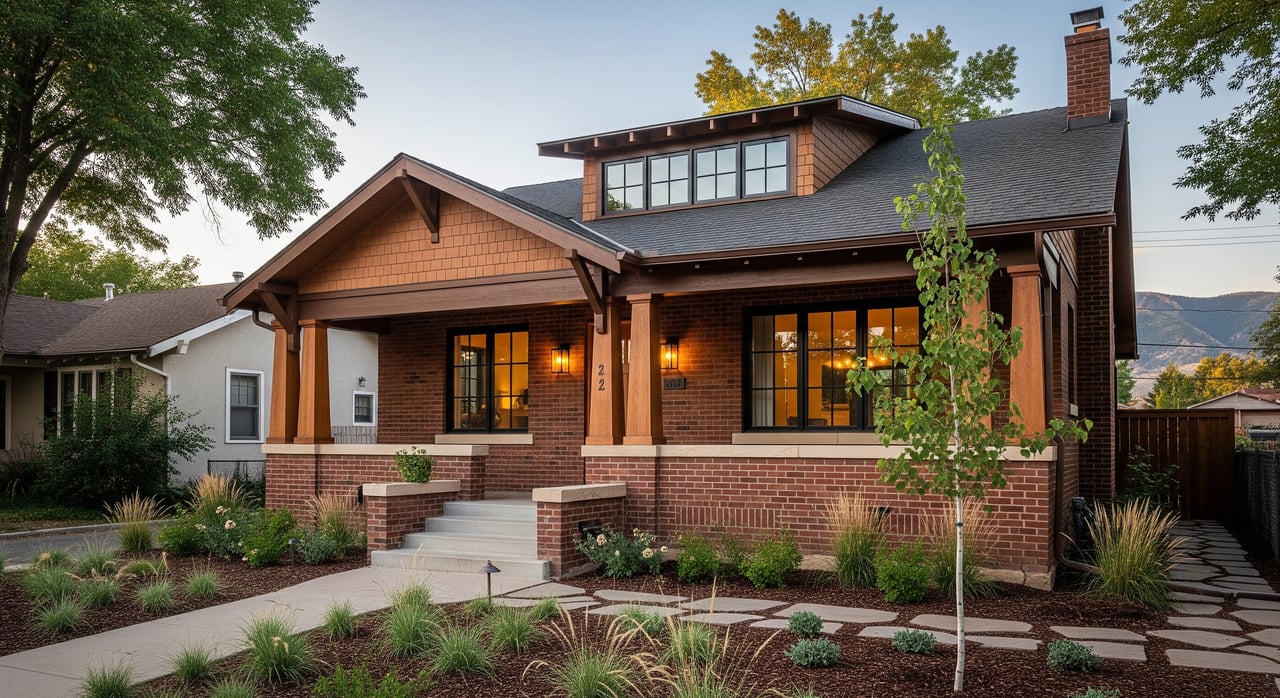
A usable front porch is a signature bungalow detail. Buyers see it as extra living space for conversation, reading, or greeting neighbors. Focus on depth, comfortable seating, and clear sightlines to the street. Where safe, preserve original posts and railings, and use period-appropriate paint colors for a welcoming look.
Original trim, doors, and hardwood floors add warmth that new construction rarely matches. Built-ins like bookcases, window seats, or mudroom cabinetry create both charm and function. When possible, repair, strip, and refinish. Replacement is a last resort, especially for distinctive moldings and profiles.
Bungalows shine with their modest footprint and intuitive circulation. You’ll often find rooms sized for real life rather than formality. Many include a fireplace as a focal point in the living room. Detached garages and alley access are common in established Englewood blocks and add flexibility for storage or a workshop.
You can have modern function without losing period feel. Consider cabinetry with shaker or flat-panel profiles, quartz or butcher block counters, and a tile backsplash that nods to historic patterns. Integrated or paneled appliances reduce visual clutter. Keep the scale right for the room and prioritize usable storage and lighting.
Update plumbing fixtures and ventilation for reliability, then layer in details that fit the house. Salvage or replicate small-format tile and built-in vanities where you can. The goal is a clean, well-lit bath that feels fresh but not out of place.
Insulation and air sealing in the attic and roof area make a visible difference in comfort and utility costs. High-efficiency furnaces or heat pumps, including ductless mini-splits, work well when you want to preserve ceilings and walls. Original wood windows can often be repaired and weatherstripped; replace only what is beyond saving with wood-clad units that match sightlines. Add layered lighting and convert to LED for better ambiance and lower bills.
Simple, low-maintenance landscaping that frames the porch and walkways helps your bungalow stand out. Keep mature trees when possible. Repair period walkways, steps, and low masonry features rather than replacing them. Clean, defined paths and healthy plantings read as cared-for and timeless.
If space allows, consider an eat-in kitchen or adding a main-level half bath. Upgrading closet systems and planning a tidy laundry zone on the first floor or in the basement improves daily life. Aim for solutions that respect existing trim and built-ins and avoid oversizing fixtures that crowd the room.
Begin with a full inspection, then bring in specialists for electrical, HVAC, structural, and plumbing as needed. Older homes can include wiring that predates modern grounding and galvanized or cast-iron plumbing that needs attention. Roof condition, attic venting, and insulation should be checked. In Colorado, radon testing is a smart step, with mitigation if levels are elevated.
Prioritize preserving visible historic fabric, including trim, built-ins, hardwood floors, and the porch. Upgrade concealed systems like insulation, wiring, plumbing, and HVAC first. This approach protects the character that buyers love while improving comfort and reliability.
When you add or reconfigure, aim for solutions that can be removed without harming original features. Match materials and proportions in visible areas such as porch posts, window trim, and stair balusters so new work blends in.
Before you start, check permit requirements with the City of Englewood for structural, electrical, plumbing, or porch and roof work. If a property is locally designated historic, there may be standards for windows, porches, and siding. Confirm early to avoid surprises and keep the project on track.
If you are buying a bungalow that needs work, consider FHA 203(k) or Fannie Mae HomeStyle loans that combine purchase and renovation in one mortgage, subject to program and lender availability. Owners who plan upgrades can look at HELOCs or renovation loans. Some programs focus on energy improvements, including FHA Energy Efficient Mortgage options and select conventional products. Availability varies, so check with local lenders.
Xcel Energy offers rebates for qualified energy-efficient appliances and HVAC improvements in Colorado, and the Colorado Energy Office provides information on state programs. Federal incentives under recent energy legislation may also apply for heat pumps, insulation, and other high-efficiency installations. Program details change over time, so verify current offerings before you budget.
Lead with a blend of preserved character and dependable systems. Phrases like “restored woodwork,” “usable front porch,” and “updated mechanicals” resonate. If you have added comfort upgrades such as insulation or a high-efficiency HVAC system, note them clearly. Include dates for roof, furnace, water heater, and electrical panel to build confidence.
Feature the porch as a living space in the first photo with seating and warm lighting. Capture close-ups of original trim, built-ins, and hardwood floors. If you completed thoughtful renovations, include before-and-after images. Twilight exterior shots can elevate curb appeal and show the home’s welcoming presence.
Understand that buyers often balance open-plan preferences with a desire for character. Pricing should reflect the quality of preserved features and the condition of systems. Provide inspection reports, permits, and warranties to reduce uncertainty. If your improvements are mostly cosmetic, consider modest concessions or an allowance rather than large price reductions when systems are solid.
Well-executed kitchens and baths usually deliver strong returns when they complement original details. Energy improvements and new HVAC systems are persuasive, especially for buyers concerned about older-home maintenance and comfort.
Whether you are buying, improving, or preparing to sell, you deserve guidance that keeps character intact and value front and center. If you want a curated search, strategic upgrade plan, or premium marketing when it is time to list, connect with Maritt Bird for thoughtful, local advice.
Stay up to date on the latest real estate trends.
Whether you’re navigating the market for the first time or looking to sell with confidence, I’ll bring in-depth local knowledge, proven negotiation skills, and a commitment to making your experience smooth and successful. Contact me today to get started!