The New Disclosure Form Doesn't Ask About Your Sewer Line. That's Exactly the Problem.
September 3, 2026
September 3, 2026
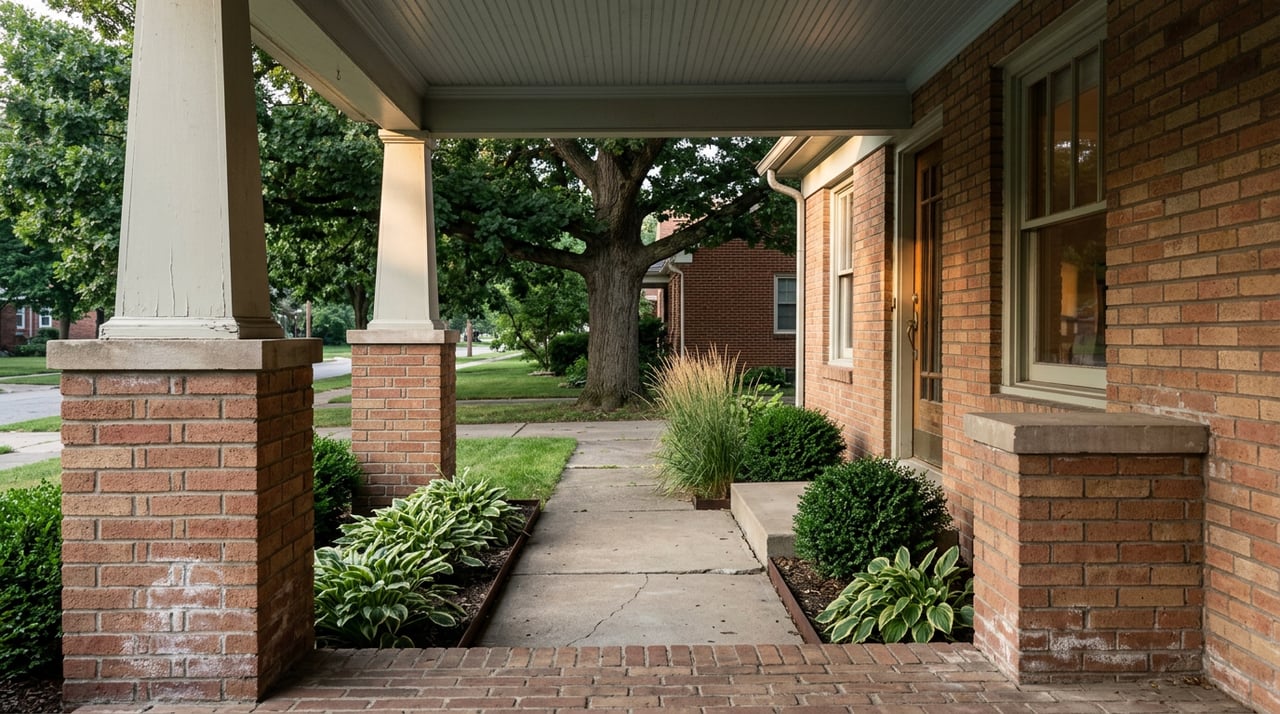
If you own a house in Wash Park, Congress Park, Capitol Hill, Park Hill, or Baker and you're thinking about listing next spring, here's a question worth sitting with: do you actually want to know what's under your yard right now, or would you rather find out after you're already under contract?
Most sellers assume the safer answer is not yet. Colorado's newly mandatory disclosure form suggests the opposite, and the reason has almost nothing to do with the form's actual questions and everything to do with how the state defines what you're required to say once you know something.
Denver's older neighborhoods share a plumbing history that most buyers never think to ask about until an inspector's camera finds it. Homes built between the 1940s and 1970s in these blocks were commonly tied into the city sewer system with Orangeburg pipe, a bituminous fiber material that was never meant to last this long, or with clay tile and cast iron that behave badly in Denver's expansive, bentonite-heavy soil. A kitchen remodel two owners ago might have added PEX supply lines to the house without touching a foot of the original line running from the foundation to the street. The upgrade is real. The exposure underneath it hasn't gone anywhere.
That combination, aging infrastructure sitting quietly under renovated interiors, is exactly why the timing of when you learn about a problem matters more in 2026 than it used to.
As of January 1, 2026, Colorado sellers are required to use the updated Seller's Property Disclosure form (SPD19), adopted by the Colorado Real Estate Commission in August 2025. The form itself hasn't added a new sewer-specific question. What it does is restate, in plain legal language, the standard sellers are already held to: information must be correct to the seller's "current actual knowledge" as of the date the form is signed, and it only asks you to disclose what you actually know, not what a more thorough seller might have found.
Read that carefully and the strategic implication becomes clear. Current actual knowledge is not a fixed snapshot. It's a moving target that expands the moment you learn something new, and once it expands, the standard practice in Colorado disclosure guidance is that changes must be disclosed to the buyer promptly after discovery. In other words: ignorance is a legitimate answer on this form right up until you stop being ignorant. After that, the clock runs the other way.
A seller who never scopes the line can honestly answer "no known issues." A seller who scopes it during a transaction and finds a problem can't unknow it, and now has to carry that knowledge into every conversation that follows, including a second buyer if the first deal falls through.
That's the mechanism nobody explains clearly enough: getting the scope late doesn't protect you from the finding. It just moves the finding from "before I had legal skin in the game" to "after," which is a strictly worse place to discover a $10,000 problem.
The stakes of that timing decision are higher in Denver than in cities where the city takes over maintenance responsibility at the property line. Under Denver Water's policy and the City and County of Denver's own wastewater rules, the homeowner is responsible for the entire sewer lateral, from the house all the way to the connection at the city main, including the section that runs under the public sidewalk and street. Any main line replacement also requires a Sewer Use and Drainage Permit, and if the work crosses into the public right-of-way, expect an additional encroachment permit and bond.
That single policy detail changes the math for anyone comparing notes with a friend who sold a house in a different city. It's not just your section of pipe on the hook. It's the whole run, curb to foundation, and Denver's frost depth means that run has to be buried deep enough that even a straightforward trenchless job takes real time and real equipment.
Here's what that looks like in dollar terms, based on current 2026 pricing from Denver-area plumbing contractors:
| Scope of work | Typical cost range |
|---|---|
| Camera sewer scope (diagnostic only) | $150 – $300 |
| Trenchless repair (CIPP lining or pipe bursting) | $3,500 – $12,000 |
| Full open-cut replacement, pipe only | $5,000 – $15,000 |
| Open-cut replacement plus driveway or landscape restoration | Add $2,000 – $10,000 |
| Permit and inspection fees | $400 – $1,000 |
The spread between the top and bottom rows is the entire argument for finding out early. A scope costs about as much as a nice dinner for four. Waiting until a buyer's inspector finds a collapsed section during their ten-day objection period costs a renegotiated price, a nervous buyer, and possibly a second round of the same conversation with the next one.
Here's the part that surprises most sellers: scoping early is not just about avoiding a bad surprise. It's about controlling which side of the negotiation you sit on.
Once a sewer finding is on the table, plumbers working in Denver tend to apply two informal but consistent decision rules. The first is sometimes called the 50% Rule: if a spot repair would cost more than half of a full replacement, or if the pipe material is more than 50 years old, which describes most clay and cast-iron laterals in Wash Park and Capitol Hill, replacement is the sounder long-term move rather than a patch. The second is the Two-Strike Rule: two professional drain cleanings within twelve months signals a structural defect, not a maintenance issue, and buyers' inspectors know to ask about that history.
A seller who commissions the scope before listing gets to walk into those conversations holding the data instead of reacting to it. You can price the finding into the listing, get ahead of it with a trenchless quote in hand, or simply disclose a clean scope and remove the question entirely. A seller who waits hands that leverage to whoever finds the problem first, and in a transaction, that's rarely the seller.
As one Denver-area sewer contractor put it, "Most Denver homeowners overpay for sewer repairs" because they don't know trenchless options exist until they're already in crisis mode, quoted by Sewerex owner Marisa Beaver on the cost dynamics her crews see across the metro.
There's also a warning sign worth knowing before any camera goes down the line: an unusually green, lush patch of lawn that stays vibrant through a July heat wave without extra watering is a classic tell for a leaking lateral feeding the soil above it, sometimes called the green patch trap by local plumbers. It's not proof of anything, but it's a reason to move the scope up on your calendar rather than down.
If your house was built before 1980 and sits in one of Denver's older core neighborhoods, the practical sequence looks like this. Order the scope before you sign a listing agreement, not after you accept an offer. Ask for the footage and a written summary of pipe material and condition. If there's a finding, get one trenchless quote and one open-cut quote so you're comparing real numbers rather than guessing, since the Denver Water tap record for your address can often confirm the original installation date and material if your scope report doesn't already spell it out.
None of this is about scaring anyone off a sale. Denver's older housing stock is exactly what draws buyers to these neighborhoods in the first place, the tree canopy, the walkability, the bones that newer construction doesn't replicate. The sewer line underneath it is simply infrastructure with a known lifespan, and knowing where you stand on that lifespan before you list is the difference between negotiating from data and negotiating from a defensive crouch.
Does a sewer scope automatically become something I have to disclose? Yes, once you have the report in hand, that's current actual knowledge under Colorado's disclosure standard, and it should be reflected on your SPD19 form.
What if I got a scope years ago and haven't had problems since? Pipe conditions change. A scope from five or more years back reflects that moment, not today's condition, especially with clay or Orangeburg pipe that continues to degrade.
Does this only apply to pre-1980 homes? The material risk is highest in homes from the 1940s through 1970s, but any home on a shared or aging lateral, regardless of when the house itself was updated, benefits from knowing what's actually running beneath it.
If you're weighing whether to list an older Denver home this season, or you're comparing an infill purchase in Wash Park against something newer, Maritt Bird can walk through what a pre-listing scope actually changes about your timeline and your negotiating position, neighborhood by neighborhood, before you sign anything.
Stay up to date on the latest real estate trends.



Whether you’re navigating the market for the first time or looking to sell with confidence, I’ll bring in-depth local knowledge, proven negotiation skills, and a commitment to making your experience smooth and successful. Contact me today to get started!